Focused arrival windows
Useful updates and clear arrival timing.
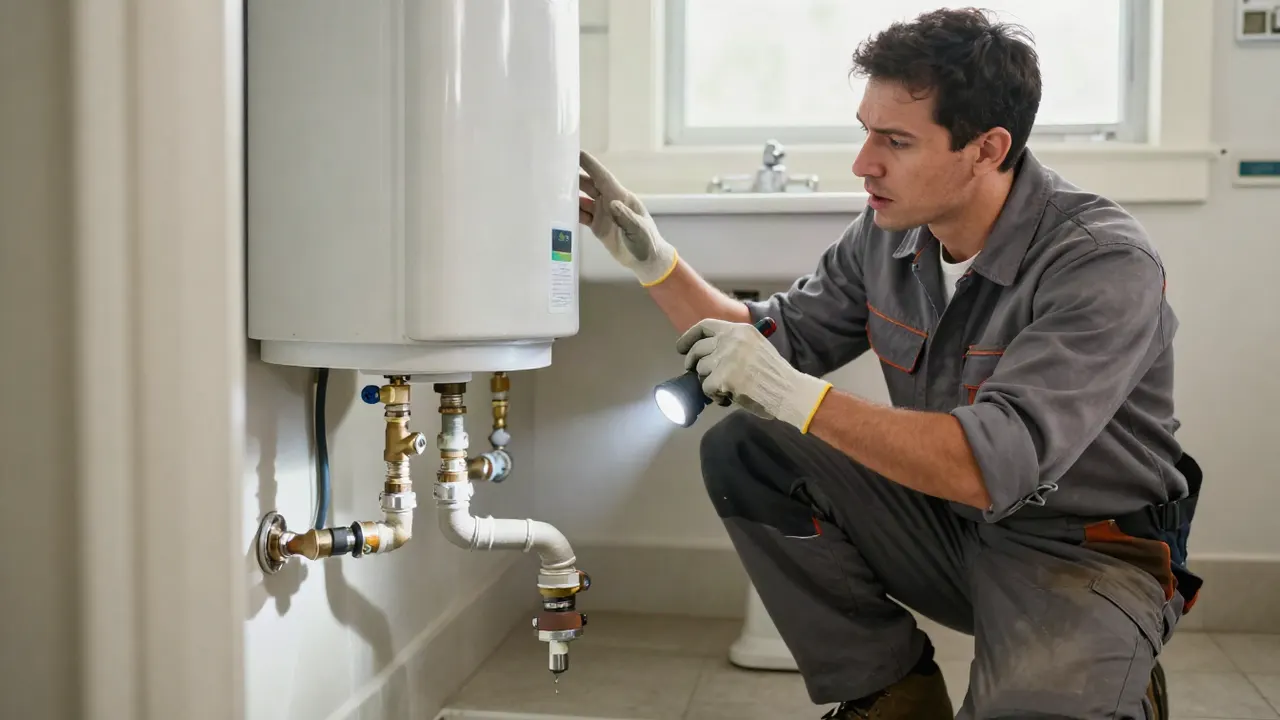
Tank Water Heater Leak Repair in goose creek starts with finding the exact source before we touch a fitting. We handle storage water heater leak fixing for Rheem, A.O. Smith and Bradford White tanks across Crowfield Plantation and Brickhope Greens. A leaking tank water heater repair in goose creek usually takes two to four hours, and we test the repair under full pressure before we leave.
Useful updates and clear arrival timing.
Review the approach and price before deciding.
Equipped vehicles and respectful cleanup.
Neighbors serving neighbors with follow-through.
Every tank water heater leak repair in goose creek starts with a full diagnostic and ends with a pressure test. Here is what is covered in a standard repair visit, and what we quote separately if we find it.
We shut off supply, drain enough to expose fittings, dry the tank, and pressurize the system. A pressure gauge and inspection camera confirm the exact leak point. This takes 20 to 40 minutes and is included in every visit.
T&P relief valves, drain valves, inlet and outlet nipples, and threaded fittings get repaired or replaced on the spot. We use Teflon tape and new gaskets on every threaded joint. Parts are on the truck.
Failed heating element gaskets and O-rings are a common source of tank leaks. We pull the element with a water heater element wrench, replace the gasket, and torque it back to spec. Most element jobs take about two hours.
After the repair, we refill the tank, bleed the lines, and run it at full pressure for 15 minutes. If anything weeps, we redo it. You get a dry floor and a working water heater before we leave.
We dry the area around the tank, haul away old parts, and walk you through what failed and why. If we replaced a valve or gasket, you get a 1-year workmanship warranty on that repair.
Share what is happening and receive a clear next step from the local team.
Tank Water Heater Leak Repair in goose creek is the process of locating where a storage tank is losing water, then repairing or replacing the failed part so the unit holds pressure again. That means checking the T&P relief valve, drain valve, heating element gasket, inlet and outlet nipples, and the tank shell itself. We use a pressure gauge and inspection camera to confirm the source instead of guessing, because a leak at the top and a leak at the bottom are two very different jobs.
Most goose creek homes we visit were built between the 1980s and 2000s, and their water heaters are now 8 to 14 years old. At that age, sediment buildup and high water pressure damage start cracking dip tubes and corroding tank bottoms. If you search storage water heater leak fixing near me goose creek, you want someone who can tell the difference between a $180 valve swap and a tank that needs replacing. We give you that answer on the first visit.
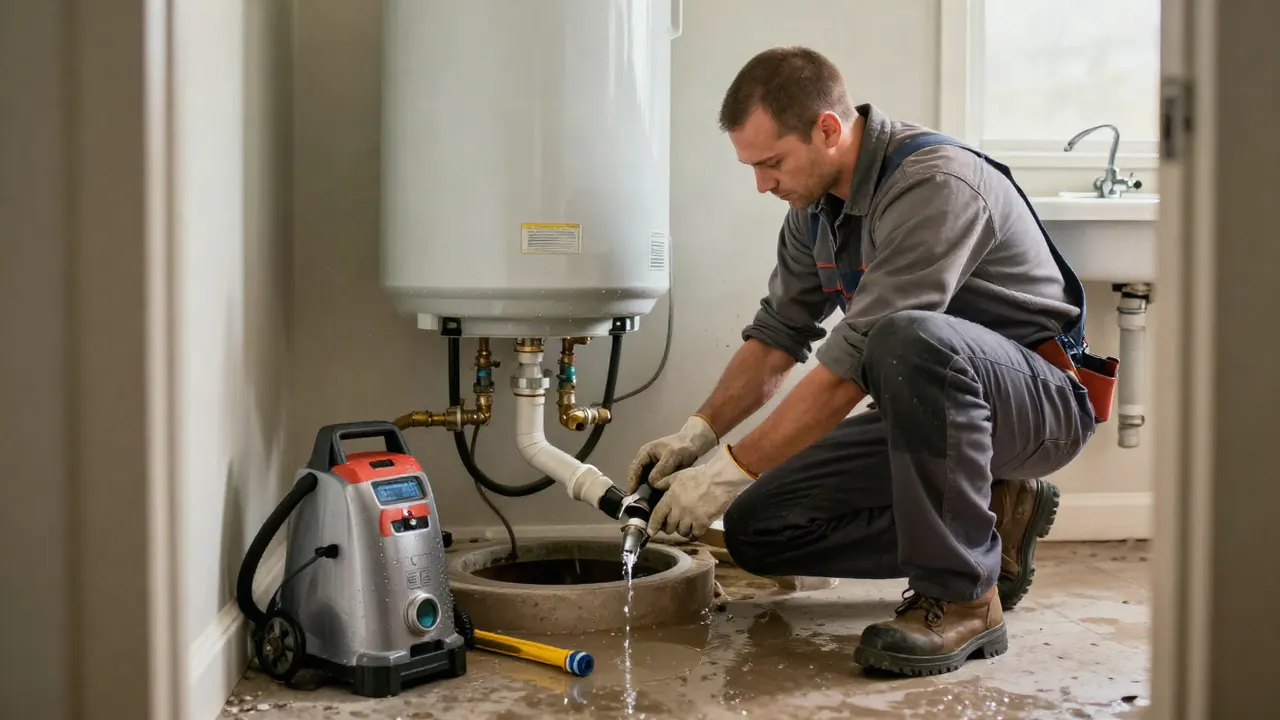
You describe what you see, and we ask three questions: where is the water, how fast is it pooling, and how old is the tank. That tells us whether to send an emergency tech or book a same-day slot. Most calls get a two-hour arrival window.
We shut off the supply, drain enough water to expose the fittings, and dry the tank. Then we pressurize the system and watch with a pressure gauge and inspection camera. This takes 20 to 40 minutes and tells us exactly which component failed.
If the leak is a T&P relief valve, drain valve, element gasket, or nipple, we repair it on the spot. If the tank shell itself is cracked or the bottom is corroded through, we show you the corrosion and quote a replacement. You decide, no pressure.
We use a pipe wrench, tube cutter, soldering torch and Teflon tape on threaded joints. Gaskets and O-rings get replaced, not reused. A typical valve or element repair takes 60 to 90 minutes from start to finish.
We refill the tank, bleed the lines, and run it up to full pressure for 15 minutes. If it holds, we dry the area, haul away old parts, and walk you through what we did. If it does not hold, we keep working until it does.
Measures system pressure to confirm whether a leak is from a failed valve or from high water pressure damage. Anything over 80 PSI needs an expansion tank or pressure regulator.
Lets us see behind the tank and inside the burner compartment without pulling the unit. We use it to confirm tank shell corrosion before quoting a replacement.
The correct tool for pulling electric heating elements without stripping the head. Prevents the element plate damage that causes repeat gasket leaks.
For T&P relief valves, drain valves, nipples and supply fittings. We size the wrench to the fitting to avoid rounding brass nuts.
For copper supply line repairs when a leak is at the inlet or outlet connection. Clean cuts and proper solder joints hold pressure where compression fittings fail.
Seals threaded joints on valves, nipples and elements. We use the correct tape for potable water and apply it in the right direction so it does not shred on install.
Includes dye tabs, paper test strips and UV light for finding slow leaks that only show up under heat or pressure. Useful for intermittent drips that never appear during a service call.
Every repair we make is checked against UPC requirements for T&P valve sizing, discharge piping, expansion control and potable water fittings. This keeps your repair legal and insurable, and it prevents the code violations that show up during home inspections.
Any fitting, valve or gasket that touches drinking water meets ANSI/NSF 61 standards. That matters for tanks feeding kitchen and bathroom lines. We do not install unlisted brass or generic gaskets on potable systems.
After every repair, we refill the tank and run it at full system pressure for 15 minutes. If the joint weeps, we redo it before we leave. No repair gets signed off on a visual check alone.
When we replace a part under a Rheem, A.O. Smith or Bradford White warranty, we document the repair to manufacturer spec so the warranty stays valid. That protects you if the same component fails again inside the coverage period.
We dispatch an emergency tech, shut off the supply and power or gas, and isolate the leak. Once the unit is stable, we diagnose and repair the same visit if parts allow. You get the water stopped, the floor dried, and a working water heater, usually within the same day.
We test the valve, check system pressure, and replace the T&P relief valve if it is stuck. If pressure is high, we add or recharge an expansion tank to prevent a repeat failure. The drip stops, system pressure sits in the safe range, and you avoid a tank replacement for now.
We do a full diagnostic, repair what is repairable, and provide documentation of the repair for your closing packet. If replacement is needed, we quote it the same day. You get a clean inspection report and a repair record the buyer's agent can verify.
We kill power at the breaker, drain the tank, pull the element, replace the gasket and O-ring, and check the element for damage. If the element is shorted, we replace it too. The leak stops, the breaker holds, and you have hot water again within two to three hours.
Goose Creek sits in Berkeley County, and the water here runs moderately hard. That means sediment buildup in tank water heaters is common, and it is one of the leading causes of bottom leaks we see. Most homes in Crowfield Plantation and Brickhope Greens were built between the 1980s and 2000s, so a large share of the tanks we service are 8 to 14 years old and past their midpoint. Winter brings its own issues: when overnight temps drop into the 30s, uninsulated supply lines in garages and crawl spaces can freeze and split, and the leak shows up at the tank connection. Summer is the opposite problem, with higher incoming water pressure stressing T&P relief valves. If you need tank water heater leaking from top repair goose creek, it is usually a T&P valve or a supply nipple, and we can finish that in about 90 minutes. We work to Berkeley County code requirements and pull permits when a replacement or expansion tank install requires it.
Mix of 1990s and 2000s homes with original or first-replacement tanks. Many have garage-installed units where freeze damage shows up at the cold inlet nipple in January.
Newer construction with tighter utility closets. Access is limited, so we use an inspection camera to confirm leaks before pulling the unit out of the closet.
Growing neighborhood with a mix of tank and tankless systems. We see more expansion tank failures here because incoming pressure runs higher on the newer main lines.
Older housing stock with copper supply lines. Leaks at the tank inlet often trace back to pinhole corrosion in the copper, not the tank itself.
Sediment settles at the tank bottom and accelerates corrosion. We recommend annual flushing to extend tank life by two to four years and reduce the risk of bottom leaks.
Uninsulated supply lines can freeze and split, causing leaks that look like tank failures. We insulate exposed lines and check the inlet connection on every winter call.
Incoming pressure above 80 PSI stresses T&P relief valves and can cause them to weep. We test pressure on every visit and install an expansion tank or regulator when it runs high.
Many tanks are on their second or third decade. We see more cracked dip tubes and corroded tank bottoms here than in newer neighborhoods, which shifts more jobs toward replacement.
A Crowfield Plantation homeowner had a slow drip at the drain valve for three weeks. The tank base was wet, the pan had rusted, and the drip had soaked into the garage drywall. The tank was 9 years old and otherwise in good shape.
We replaced the drain valve with a brass unit, resealed the threads, and pressure tested at 70 PSI for 15 minutes. Total job time was 70 minutes. The homeowner paid $240 and avoided a $1,100 tank replacement.
Maintenance: Flush the tank once a year to keep sediment off the drain valve seat. A $15 hose adapter and 30 minutes is all it takes, and it adds years to the valve.
A Brickhope Greens homeowner noticed water running down the side of the tank every afternoon. System pressure tested at 95 PSI, well above the 80 PSI threshold. The T&P relief valve was doing its job, but the real problem was a failed expansion tank.
We replaced the T&P relief valve and installed a new expansion tank. Pressure dropped to 62 PSI and held. The drip stopped the same day. Total cost was $410, including parts and labor.
Maintenance: Check the expansion tank charge once a year. If it reads below 40 PSI at the Schrader valve, it needs recharging or replacement before it takes out another T&P valve.
A 13-year-old State tank in goose creek was leaking from the base. Water was pooling under the unit and the tank bottom was visibly corroded. The homeowner had already been quoted a repair by another company.
We showed the homeowner the corrosion with an inspection camera and quoted a replacement instead. A new 50-gallon tank installed, with a code-required expansion tank and new T&P valve, came to $1,340. The old unit was hauled away the same day.
Maintenance: Flush the new tank every 12 months and test the T&P valve twice a year. That routine gets most tanks to 12 to 15 years before the next replacement.
Not every leak means a dead water heater. Here are the failures we see most often, and what happens if you leave them alone.
A dripping T&P valve can dump 20 to 30 gallons a day onto your floor, and it usually means the valve is stuck or the system pressure is too high. Left alone, it can flood a utility room. We test the valve, check system pressure with a gauge, and replace the T&P relief valve if it is stuck. If pressure is the issue, we install or recharge an expansion tank. Most jobs run $200 to $350.
Water seeps behind the element and corrodes the tank head. On electric tanks, it can also trip the breaker or short the element. A $30 gasket becomes a $900 tank replacement if ignored. We pull the element with a water heater element wrench, replace the gasket and O-ring, and torque it back to spec. The job takes about two hours including drain and refill.
Once the tank shell is compromised, no patch holds. Water pools under the unit, rusts the pan, and can damage flooring and drywall. This is the leak that ends a water heater's life. We show you the corrosion with an inspection camera and quote a replacement. A new tank installed runs $850 to $1,600 depending on size and whether code upgrades are needed.
A slow drip at the drain valve looks minor but keeps the tank base wet. Over months, that moisture corrodes the tank bottom and the pan. It is the most preventable leak we see. We replace the drain valve with a brass unit, reseal the threads with Teflon tape, and pressure test. Most drain valve replacements run $180 to $280 and take about an hour.
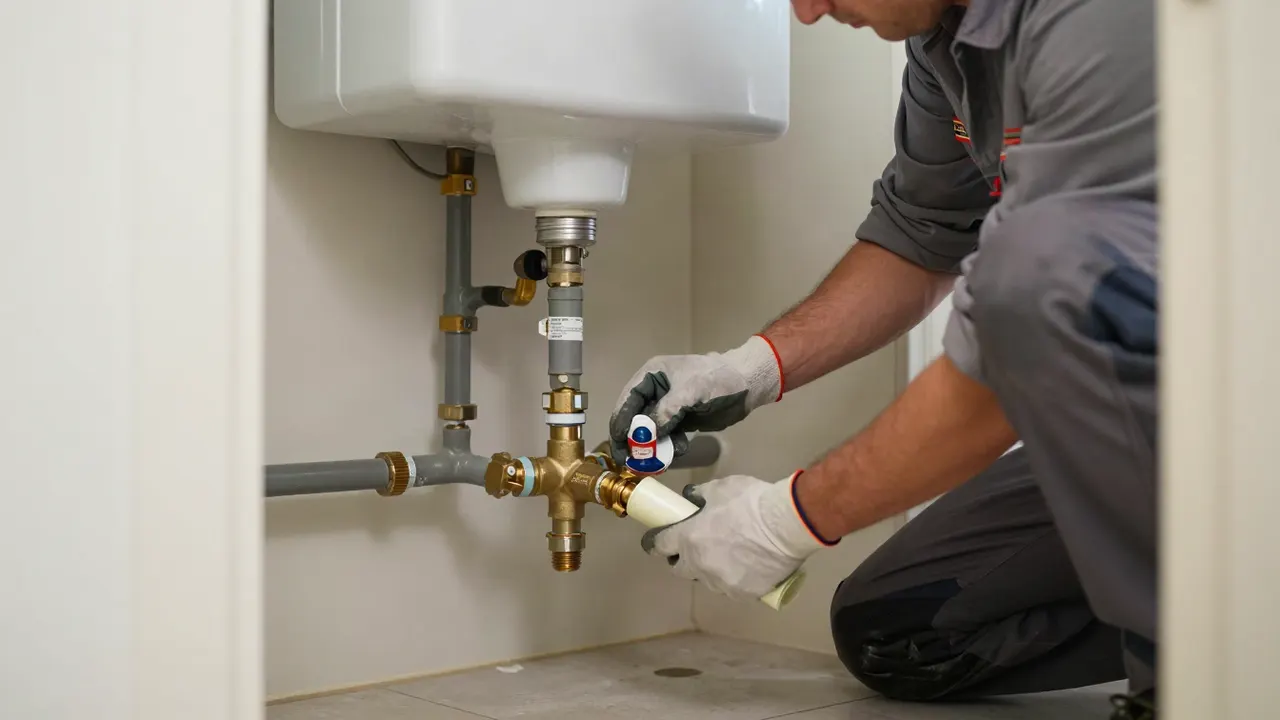
Goose Creek Water Heater Pros has been repairing tank water heaters since 2016. In that time we have worked on Rheem, A.O. Smith, Bradford White, State Water Heaters and Bosch units across Crowfield Plantation, Brickhope Greens and the surrounding neighborhoods. Our plumbers hold state plumbing licenses and work to Uniform Plumbing Code and International Plumbing Code standards on every job. We keep leak detection kits, water heater element wrenches and inspection cameras on every truck, so we are not making a second trip for a $12 part. That is how a two-hour repair stays a two-hour repair.
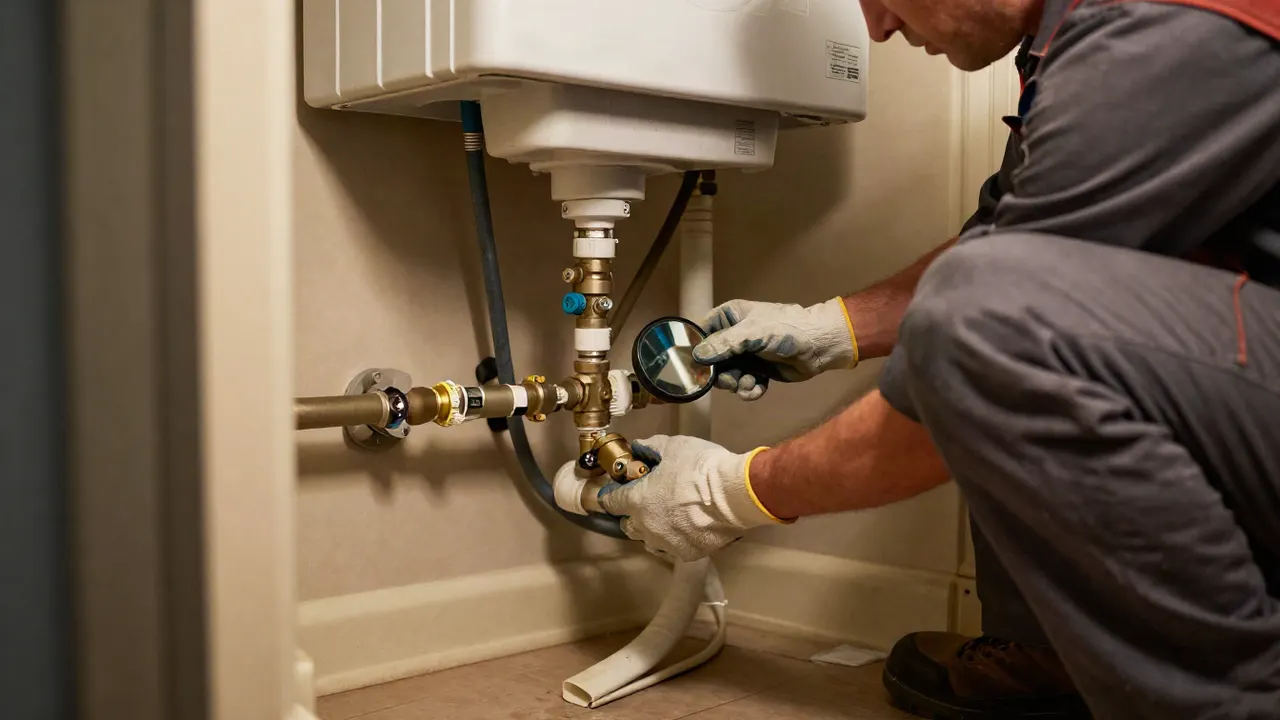
Water was pooling around the base of my Rheem on a Sunday morning. They had a tech out by 11 a.m., found the drain valve was the culprit, and had it swapped in about an hour. Price was $240, which matched the quote. No upsell on a new tank, even though mine is 11 years old.
Our A.O. Smith was leaking from the top and I was sure the whole thing was done. They pressure tested it, showed me the failed T&P relief valve, and replaced it for $210. That was eight months ago and it has not dripped since. They also checked the anode rod while they were in there.
I manage three rentals and have used these guys twice this year. Both times they diagnosed the leak accurately and gave me a straight answer on repair versus replace. One tank needed replacing, one just needed an element gasket. That honesty is why I keep calling them.
Bottom leaks almost always mean one of three things: a failed drain valve, a corroded tank shell, or sediment buildup that has eaten through the base. If the water is rusty and the tank is over 10 years old, the shell is likely gone and replacement is the honest answer. If the tank is younger and the water is clear, it is usually the drain valve, and tank water heater leaking from bottom repair goose creek runs $180 to $320.
Typical 2026 pricing runs $180 to $450 for valve, gasket and fitting repairs. Heating element gasket replacements land around $200 to $350. If the tank shell is cracked, replacement runs $850 to $1,600 installed depending on tank size and whether we need to upgrade the expansion tank or T&P valve to meet current code.
Repair if the tank is under 10 years old and the leak is at a valve, gasket, element or fitting. Replace if the tank shell is leaking, the bottom is corroded, or the unit is past 12 years. A tank leaking from the top is usually a $200 to $350 repair. A tank leaking from the bottom on a 13-year-old unit is a replacement, every time.
Most repairs take two to four hours from arrival to pressure test. Valve and gasket swaps run 60 to 90 minutes. Element replacements take about two hours because we drain and refill the tank. If we find a cracked dip tube or a failed T&P relief valve at the same time, add 30 to 45 minutes. We test at full pressure before we leave.
Not seeing your question? Our local team can help you understand urgency, scheduling and what to expect.
Ask the local team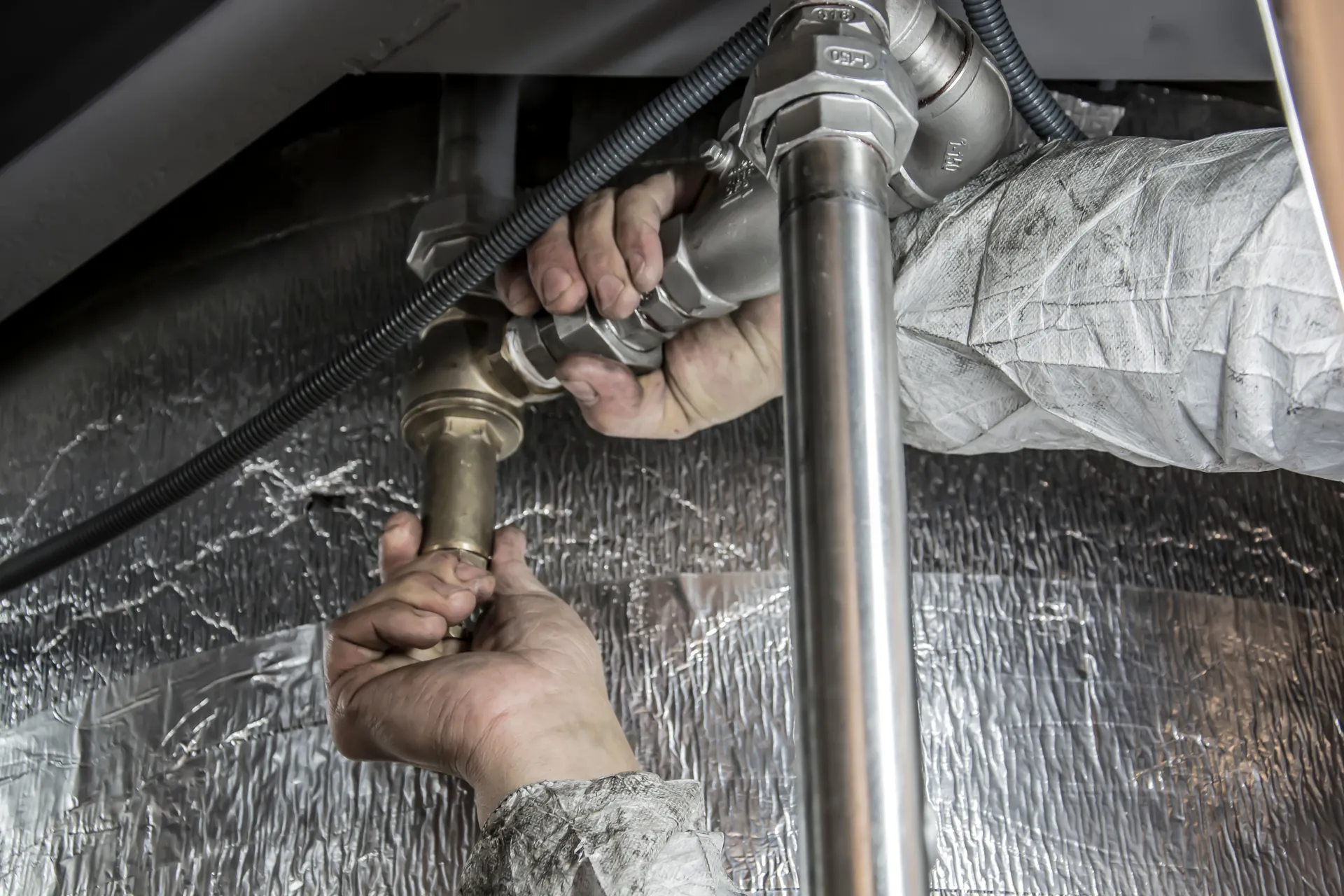
Tankless units leak at different points: inlet filters, heat exchanger connections and isolation valves. If you have a Navien or Rinnai and see water at the cabinet, this is the service you need instead of tank repair.
View serviceT&P relief valves, drain valves and shutoff valves all fail with age. A leaking T&P relief valve is one of the most common calls we get. Replacement takes about an hour and restores full pressure safety.
View service
If your water heater is leaking, do not wait. Call 03042703981 any time, day or night, and speak to a live dispatcher who will walk you through shutting off the supply while a technician heads your way. We serve goose creek and the surrounding Berkeley County area, with same-day service seven days a week and 24/7 emergency dispatch for active leaks.